-
Tool & Die MFG

Shop By Category
Related Links
Precision Tool & Die Manufacturing
A stamping die is a specialized, one-of-a-kind precision tool used to cut and form sheet metal into a specific shape or profile. Stamping dies are typically designed with CAD software (such as SolidWorks®) to ensure precision. Skilled diemakers then craft these dies, which are then mounted in presses to produce sheet metal parts.
Build your own custom tooling with us to meet your specific requirements. Our in-house precision metal stamping tooling guarantees maximum durability and reliability.
High-Performance Tool & Die Engineering
In modern industrial manufacturing, the quality of your stamping die directly dictates your parts-per-minute (PPM) and tool longevity. By utilizing high-carbon tool steels and specialized heat treatments, Punch Tools ensures that your dies maintain critical tolerances across millions of cycles. Whether you need complex progressive tooling for high-volume automotive parts or precision blanking dies for the aerospace sector, our engineering team focuses on minimizing burrs and maximizing material yield.
1. Cut-To-Length Dies
Most popular, affordable, and quickest methods of turning large metal coils into manageable workpieces. As metal strips are fed through the tool, they are cut to precise specifications every time. For even greater automation, a feeder can be attached to the cut-to-length setup.




2. Form Dies
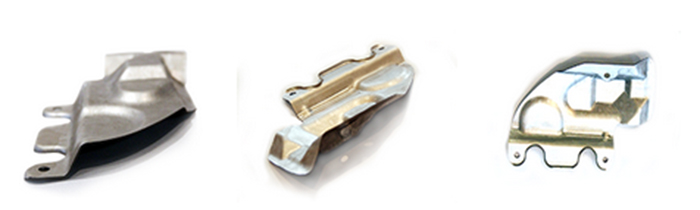
Form tools stretch metal to create complex shapes. As the press pushes down on a metal sheet around a form, the metal retains the desired shape. Although initial development can be extensive, once any issues (like wrinkles) are resolved, the proper form is achieved every time.
Forming tools function as dies that bend, stretch, or otherwise shape sheet metal to create features such as louvers, lances, flanges, and ribs.
3. Compound Dies
Compound tools are ideal for creating parts with tight tolerances on multiple related edges. Compound stamping tooling performs multiple cuts, punches, and bends in a single stroke rather than multiple strokes.
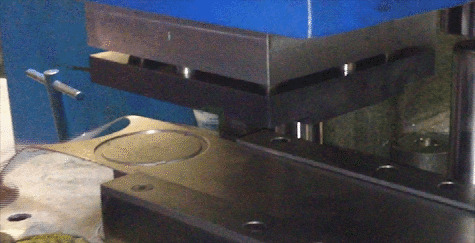
The Compound Advantage: Best for high-precision, low-volume parts where a multi-station progressive tool would be prohibitively expensive.
4. Progressive Dies
Progressive tooling is highly efficient for producing intricate multi-stage parts. This type of tool significantly boosts productivity and reduces production run times for large batches by performing cutting, coining, punching, bending, and extruding in sequential stages.
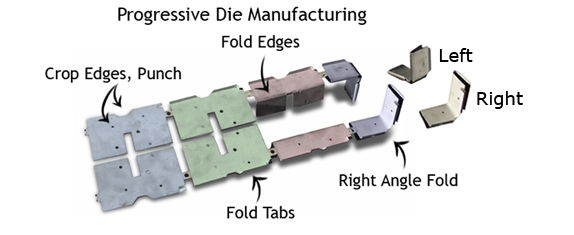
The progression of a flat strip into a fully finished part across multiple die stations.
Watch Progressive Tooling in Action
See how our custom progressive dies automate complex metal forming at high speeds.

[Click to Play Video]
5. Blanking & Piercing Dies
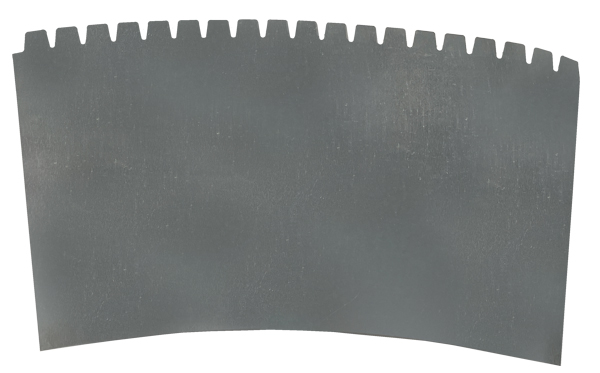
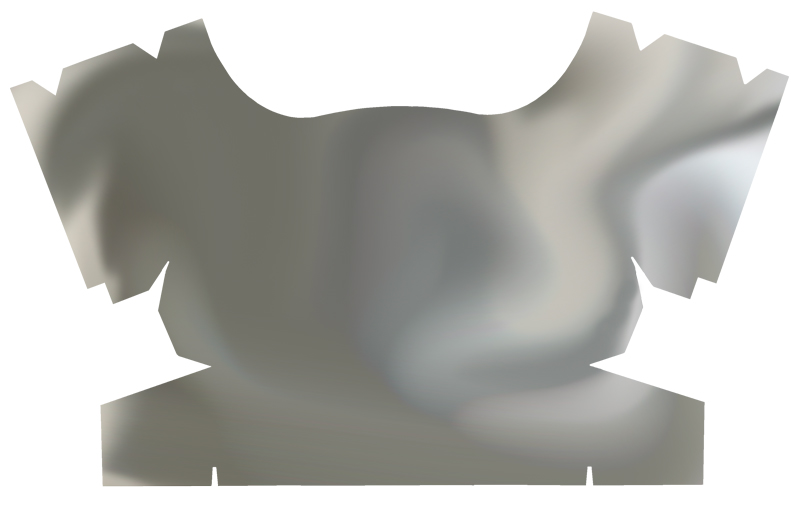
Blanking dies create primary shapes by shearing contours out of strip stock. Combined with piercing (creating internal holes), this is the foundation of high-volume part production.
6. Perforating Dies
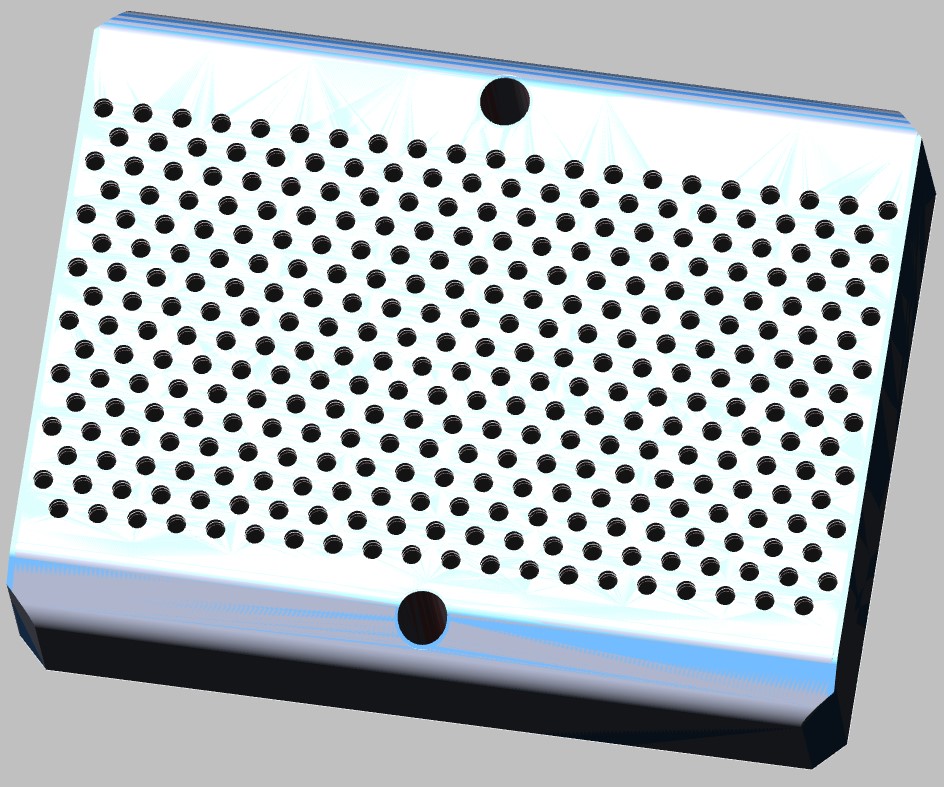
Perforating dies punch patterns into flat steel sheets, creating closely spaced holes for air or liquid flow. We offer custom patterns: round, square, slotted, and bespoke decorative designs.

ABOUT US
OUR SERVICES
TOOL & DIE MFG
OUR PRODUCTS
INDUSTRY LIBRARY
11-211 Schoolhouse Street
Coquitlam, BC, Canada. V3K4X9
Telephone
604-521-6444
1-800-668-4996